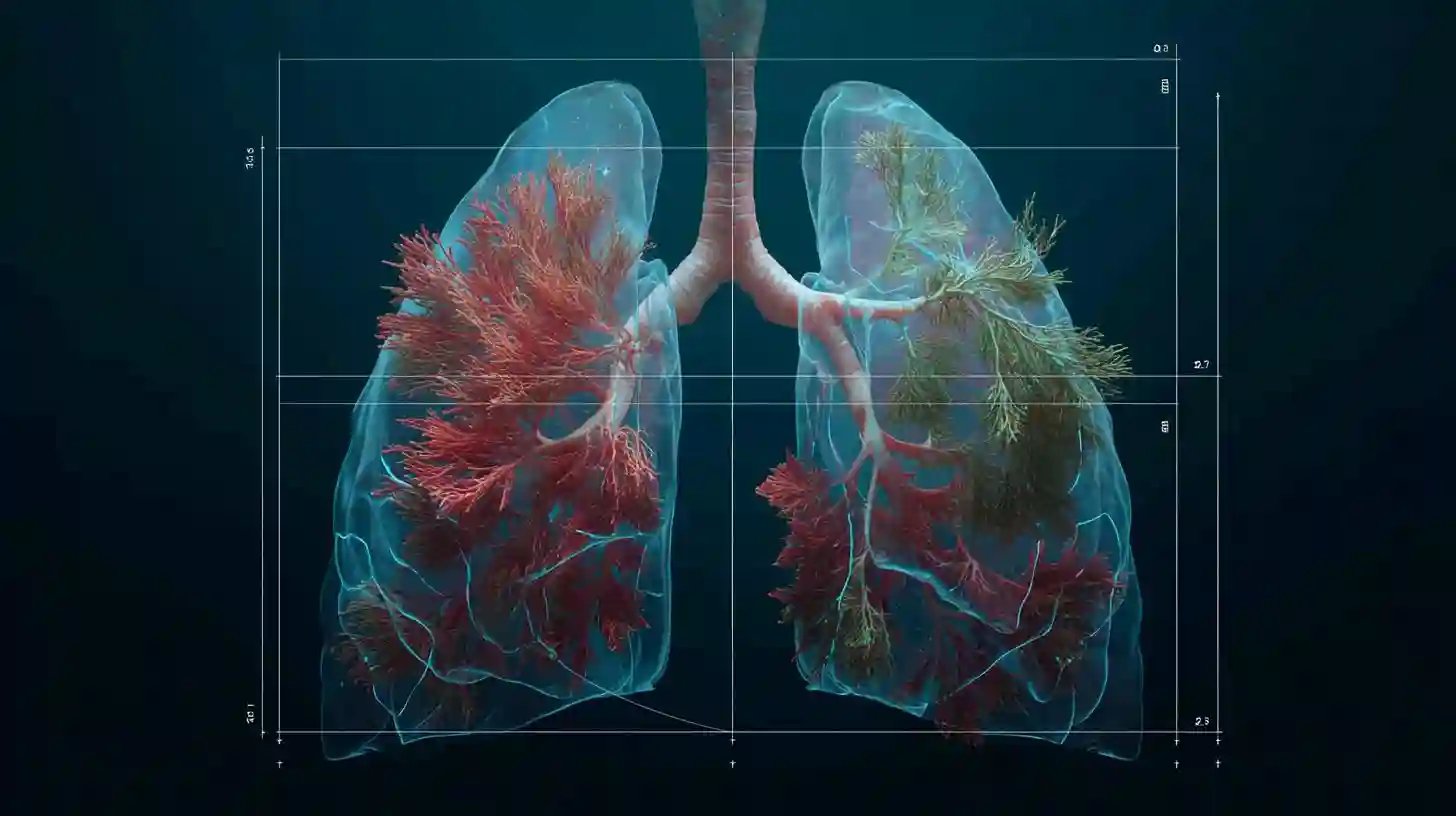
Gills and lungs are both essential respiratory organs found in different species, allowing for the exchange of gases like oxygen and carbon dioxide. However, they serve this purpose in fundamentally different ways due to the environments in which the organisms live. Gills are specialized for extracting oxygen from water, while lungs are adapted for air breathing. In aquatic environments, oxygen is much less abundant in water compared to air, so animals like fish have developed gills, which are structures rich in blood vessels. Water enters through the fish's mouth and flows over the gills, where oxygen diffuses into the blood while carbon dioxide moves out. The gills have a large surface area and a thin membrane, which maximizes the efficiency of oxygen absorption despite the limited oxygen content in water. This method of breathing relies on the continuous flow of water, as the gills need to maintain a steady supply of oxygenated water to function efficiently. On the other hand, lungs are more suited for extracting oxygen from air, which has a much higher concentration of oxygen than water. Terrestrial animals, such as mammals, reptiles, and birds, have lungs that are designed to handle this higher oxygen content. Lungs work by allowing air to be inhaled through the mouth or nostrils into the lungs, where oxygen is absorbed into the blood through tiny sacs called alveoli. The process is aided by the circulatory system, which transports oxygen throughout the body. Since air is more abundant in oxygen, lungs don’t require the constant flow of a medium like water. Instead, air is taken in through controlled breaths. Another significant difference between gills and lungs is their structural complexity. Gills are relatively simple in comparison, with their primary function being gas exchange. Lungs, however, are much more complex, with a system of branching tubes and sacs to maximize surface area for gas exchange. Additionally, gills are often less efficient in maintaining oxygen levels under conditions like low oxygen availability, whereas lungs can adjust to changes in air pressure and volume, allowing for more flexible and efficient respiration. The transition from water to land by early vertebrates posed challenges in breathing, as lungs needed to evolve to handle the unique demands of terrestrial life. Over time, this led to the development of various lung structures in different animal groups, enabling them to thrive on land.